new art prints --- Free shipping over $50
The Healing Power of Symbolism in Spiritual Art
Blog post description.
3/28/20262 min read
Have you ever noticed how certain images just mean something… even if no one explains them to you.
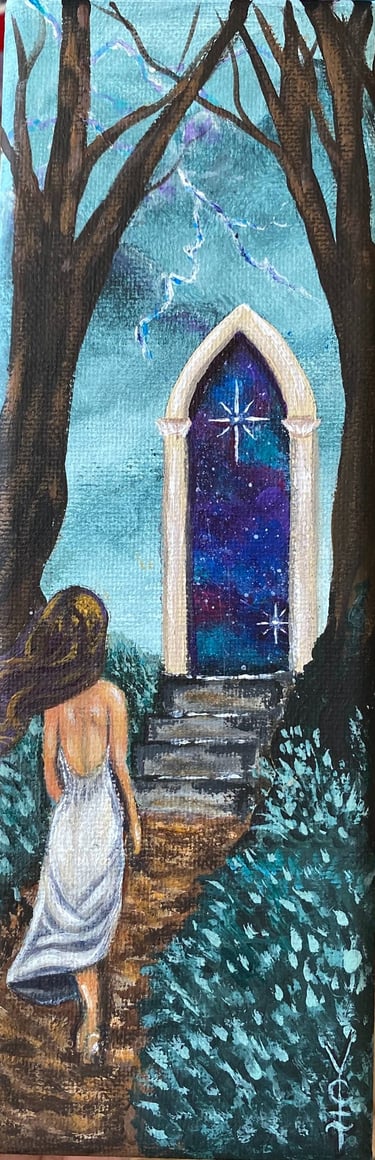
A heart. A dove. A shadowed figure. A guiding light.
These symbols seem to speak the universal language that we already understand.
I believe that is because they come from somewhere deeper inside us that culture or leaned meaning alone.. They’re rooted in a shared human experience. The quiet underlying patterns that connect all of us.
Long before we even had structured language, we told stories through images. From the first markings on cave walls, to the art we create today, these symbolic forms stayed with us because they reflect something universal within all of us. They are a part of us.
The hero. The mother. The shadow. The light.
These aren't just ideas – they are reflections of real emotional experiences we all live through in different ways. That's why they feel so familiar and resonate with many different people across the world with many different cultures and backgrounds across time.
Symbolism in art gives us a way to process the emotions that we can't always put into words.
Sometimes emotions are too complex. Too layered. Or too deeply buried – especially when connected to pain or trauma. But when we see those feelings reflected in a symbol, something shifts. It becomes something visible. Tangible. Understandable.
A single image can hold an entire emotional experience. After all that is the point of art. Other than the artist expressing themselves, the image created resonates with the viewer.
In this way, a symbol can act as a bridge between the inner world and something we can see, touch, and begin to understand. They can help us recognise what we are feeling, sit with it, and in some cases move through it.
And while some symbols are universal, others are deeply personal.
A bird to one person could mean freedom and to another represent loss. A forrest might feel peaceful to some and overwhelming to others. These meanings are shaped by our own lives, memories, and personal experiences, which makes each interaction with art unique.
That’s where spiritual art becomes powerful.
It creates space for both the shared and the personal – inviting people to find their own meaning within the image – to see themselves in it.
And sometimes that quiet moment of recognition is where healing begins.
